
Have you ever wondered how to apply concealer like a pro? Learning to use concealer effectively can be a game-changer in your makeup routine, enhancing your natural beauty and boosting your confidence. Whether you’re a makeup beginner seeking guidance or a seasoned enthusiast looking for new tips, this guide will provide you with everything you need to know about concealer.
Understanding Concealer: An Introduction
Concealer is often hailed as a must-have in any makeup kit. This handy product can brighten, cover imperfections, and balance skin tone, making it a versatile tool. Before diving into application techniques, it’s essential to understand what concealer is and why it’s used.
What is Concealer?
Concealer is a thick, pigmented makeup product designed to hide specific areas on the face that differ in tone, such as under-eye circles, blemishes, and redness. Unlike foundation, which provides an even tone all over the face, concealer offers targeted correction.
Types of Concealers
Understanding the different types of concealers available will help you pick the best one for your needs:
- Liquid Concealer: Ideal for normal, combination, and oily skin types. It offers versatility in coverage and is easy to blend.
- Cream Concealer: Suitable for dry or aging skin. Cream concealers provide excellent coverage for dark circles and discoloration.
- Stick Concealer: Works best for normal or dry skin but can also be used by oily skin types on specific areas, like blemishes.
How to Choose the Right Concealer
Choosing the right concealer is key to achieving a flawless look. Consider your skin type, issues you want to correct, and the desired finish when making your choice.
Color Correcting Basics
Color theory plays a big role in concealer selection. Different colors can neutralize specific skin concerns:
- Green Concealer: Neutralizes redness from acne or rosacea.
- Peach/Orange Concealer: Effective for masking dark circles under the eyes, especially on medium to dark skin tones.
- Yellow Concealer: Brightens dull skin or corrects purple or blue undertones.
Finding Your Shade
The shade of your concealer also matters. Typically, it should be one to two shades lighter than your foundation for areas like under the eyes, but a closer match to your foundation for covering blemishes and redness.
Step-by-Step Guide to Applying Concealer
Application technique plays a crucial role in effective concealing. Follow these steps for a natural finish.
Preparing Your Skin
- Cleanse your face to remove any dirt or makeup residue.
- Moisturize with a good-quality moisturizer to ensure your skin is hydrated. This creates a smooth base for makeup.
- Prime, if desired, to prolong the wear of your makeup. Choose a primer that suits your skin type.
Application Techniques
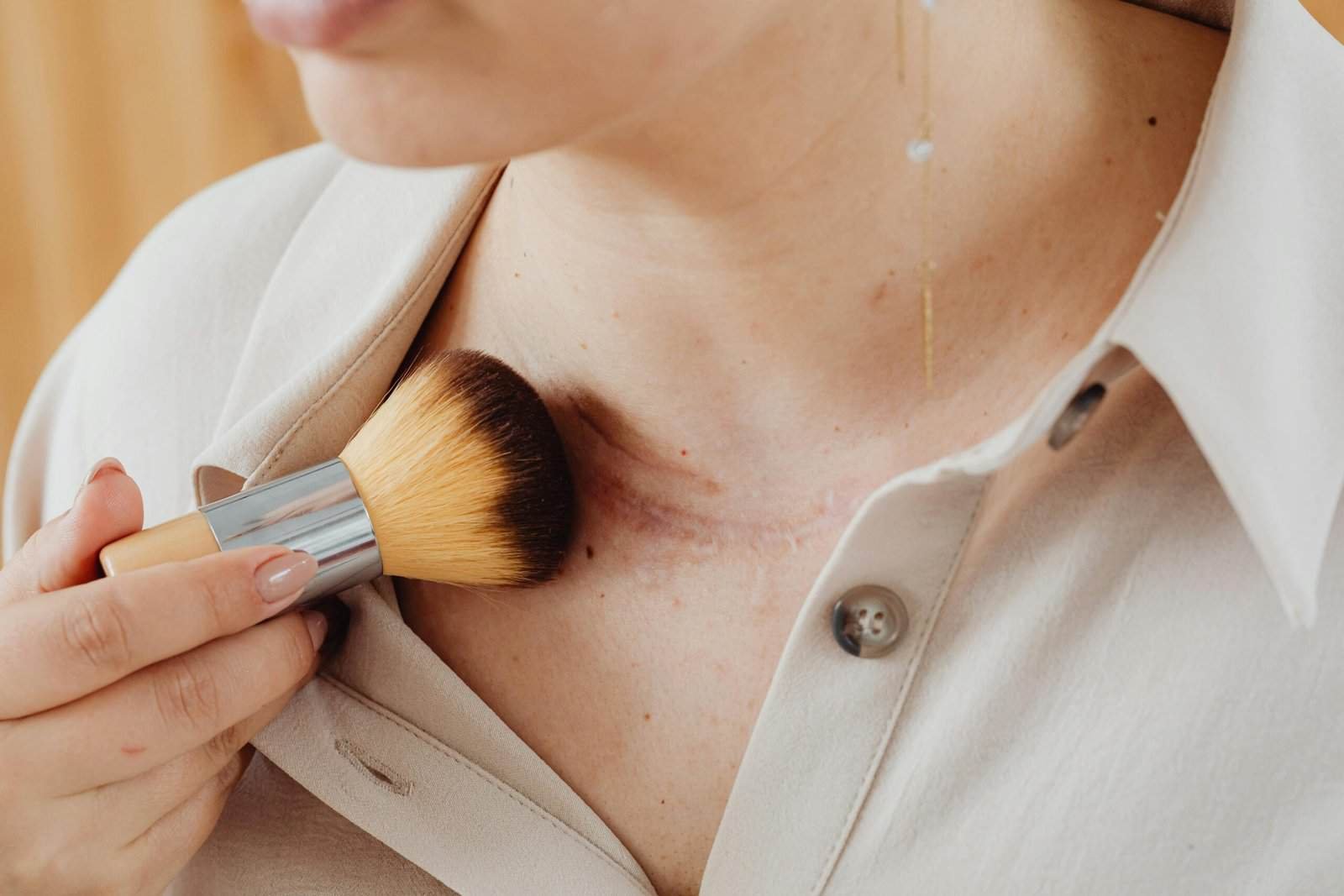
- Dab a small amount of concealer using the applicator or a clean finger.
- Blend carefully using a brush, sponge, or your fingertips. Patting motions tend to work best to avoid wiping away the product.
- Set with powder to lock in the concealer, focusing especially on areas prone to creasing, like under the eyes.
Tips for Different Areas
- Under Eyes: Apply a peach-toned concealer first (if needed) then layer with a light or skin-toned concealer slightly warmer than your skin. Use a damp sponge or a brush in a tapping motion.
- Blemishes: Use a brush for precision. Opt for a concealer that matches your foundation to camouflage without shadowing.
- Redness: Start with a green color corrector followed by your concealer. Blend the edges well to avoid a green tint.
Pro Tips for Flawless Concealing
Expert advice can enhance your concealing skills, making the process quicker and more effective.
Tricks from Backstage Experts
- Less is More: Build your concealer in light layers rather than applying too much at once to avoid caking.
- Warm Up the Product: Heat the concealer slightly between your fingers before applying to help it blend seamlessly.
- Target Application: Apply concealer only where necessary to maintain a natural look.
Trends and Innovations
Concealers constantly evolve with trends, offering new formulas and finishes. Keep an eye out for waterproof formulas and those with skincare benefits like hydration or SPF.
Product Reviews: Best Concealers in the Market
Explore some standout concealers loved by users and makeup artists alike.
| Brand | Product Name | Type | Best For | Price Range |
|---|---|---|---|---|
| NARS | Radiant Creamy Concealer | Cream | All skin types, brightening | $30-$35 |
| Maybelline | Fit Me Concealer | Liquid | Oily/Combination Skin, affordable | $6-$8 |
| Tarte | Shape Tape Concealer | Liquid | Full Coverage, long-wearing | $25-$30 |
| LA Girl | Pro Conceal HD | Liquid | Color Correcting, budget-friendly | $4-$6 |
| Fenty Beauty | Pro Filt’r Instant Retouch | Liquid | Soft matte finish, variety of shades | $25-$30 |
FAQs About Concealer
Addressing common questions can clear up any remaining doubts and refine your application technique.
How Much Concealer Should You Apply?
Apply enough to cover the area but avoid over-application. Start with a small amount, then build up as needed.
Can You Use Concealer without Foundation?
Yes, concealer can be used alone for a more natural look or on “no-makeup” days. Ensure it matches your skin tone well.
How Do You Touch Up Concealer During the Day?
Use a small brush or clean finger to lightly pat more concealer onto the area, then dust with a translucent powder for longevity.
Conclusion
Learning how to apply concealer effectively can transform your makeup game, supporting your look with a flawless finish and boosting your confidence. With the insider tips, product recommendations, and techniques outlined in this guide, you’ll be equipped to handle any concealer-related challenge that comes your way. Remember, practice makes perfect, and in makeup, there’s always room to learn and grow.
Explore the world of concealing with curiosity and creativity, and soon mastering it will become a natural part of your everyday routine.